

In 2026, we are looking at our mission through three specific lenses: our Values, the Value we provide to Missouri, and ensuring our people and families feel Valued. This month, we are exploring how our core Values of trust and respect transform "love" from a sentiment into a lifeline for the families we serve.
February is filled with candy hearts and sweet sentiments, but at LFCS, we deal with the kind of love that is a matter of survival. For a child who has lost everything, "love" isn’t about a card or a box of chocolates. It is the only thing standing between them and a total collapse of their world. When a family is in crisis, a healthy, stable relationship isn't just a Valentine’s wish; it is the fundamental requirement for children and families to heal and move forward.
“The major benefits of having healthy, stable relationships,” states Heather Wall, LFCS parenting program director, “are improved mental health, physical health, and resilience.” Heather also notes that when clients develop a healthy attachment with their case manager, “they are more likely to take risks and grow.”
Measuring Wellness by Our Relationships
According to A PLOS medical study, having no friends or poor-quality relationships is worse for your health than smoking 20 cigarettes per day. Another study showed loneliness has been proven to increase the risk of heart attack, stroke, and even early death.
While loneliness wears the body down, long-term loving relationships help people thrive. The Harvard Study of Adult Development, one of the longest-running studies on human health, has followed participants for more than eight decades. Its findings show positive relationships help people stay healthier, happier, and live longer. As Harvard Prof. Robert Waldinger explains, “Warm, connected relationships protect us from life’s challenges and from getting old.”
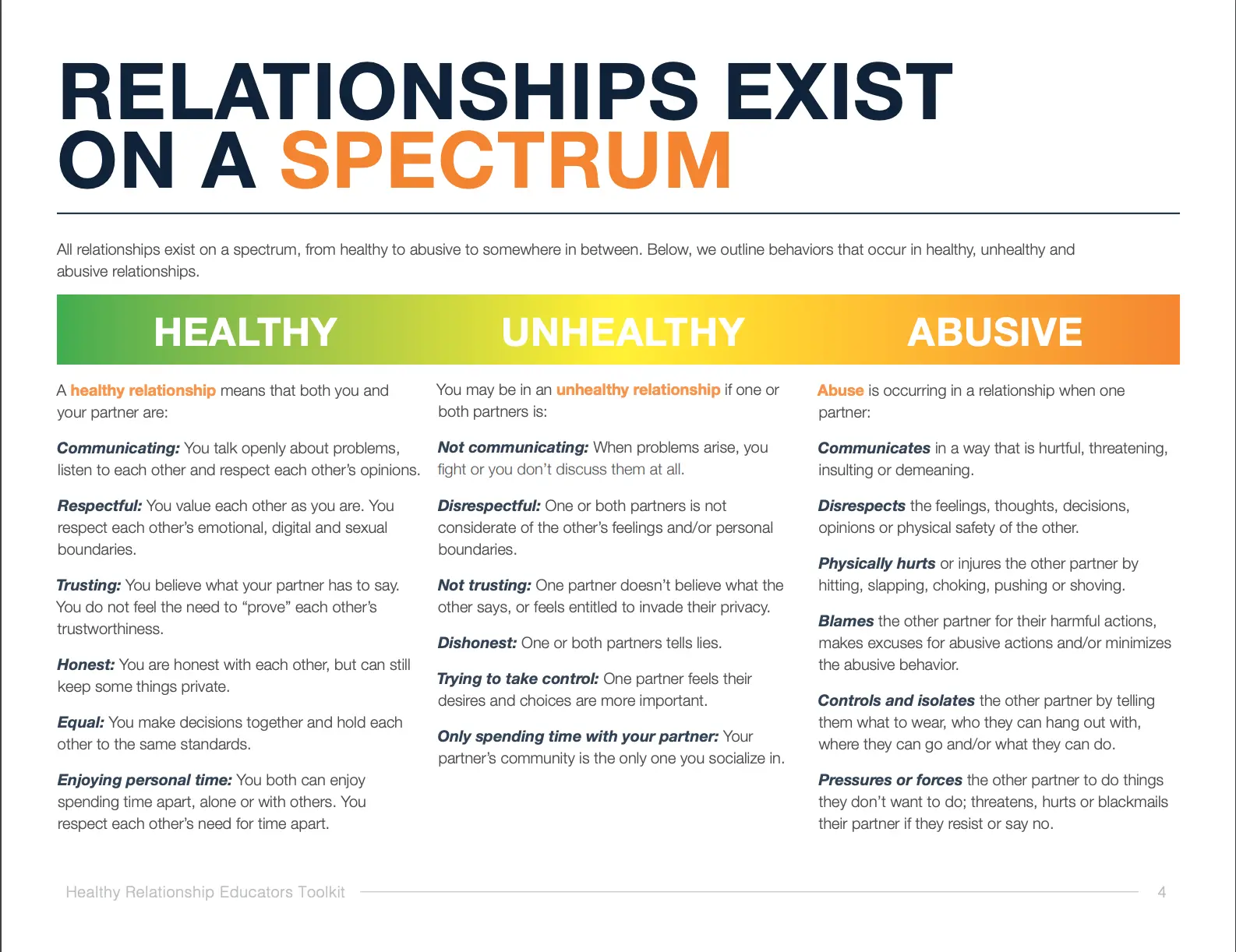
The Values of Healthy Relationships Rooted in Our Approach
How do we know if our relationships are healthy or unhealthy? The answer lies in how both parties view what’s important.
Healthy relationships are rooted in mutual respect, trust, honest communication, shared power, and clear boundaries. Unhealthy relationships may be one-sided, lack honesty, or disregard boundaries, leaving people feeling unsafe, unheard, or taken for granted.
Founded with the importance of trust, respect, and honesty, LFCS has built its approach to care around healthy relationship values:
- We model respect, boundaries, and active listening to their clients.
- Provide trauma-informed approaches that help clients heal.
- Teach skills that help build healthy relationship habits.
- Guide clients as they grow their own healthy connections.
We recognize that healing takes time and consistency. By modeling healthy relationships, LFCS helps clients move toward stronger connections.
Teaching Clients to Trust Again
Trust isn’t something we can just ask for. It must be earned. Many clients come to us after years of being let down, making it hard to trust anyone. Herman Thomas, director of LFCS foster care, knows how critical this process is for long-term success.
“Many clients come to foster care with histories of trauma, loss, and involvement in systems that may make trust and respect difficult,” Herman said. “Case managers approach these relationships with patience, empathy, and consistency, knowing that trust is earned over time rather than expected immediately.”
In many cases, a client’s first meeting with LFCS staff may be the only example of safe, respectful relationships they’ve ever experienced. “By modeling healthy relationships, “Herman explained, “clients learn how to express needs, manage conflict, and engage with others constructively”.
Once trust is established, the healing process can finally begin. Clients begin to address emotional or complex challenges knowing they will not be abandoned. Rebuilding trust becomes a spark that motivates clients to pursue their goals, no matter how difficult their path forward.
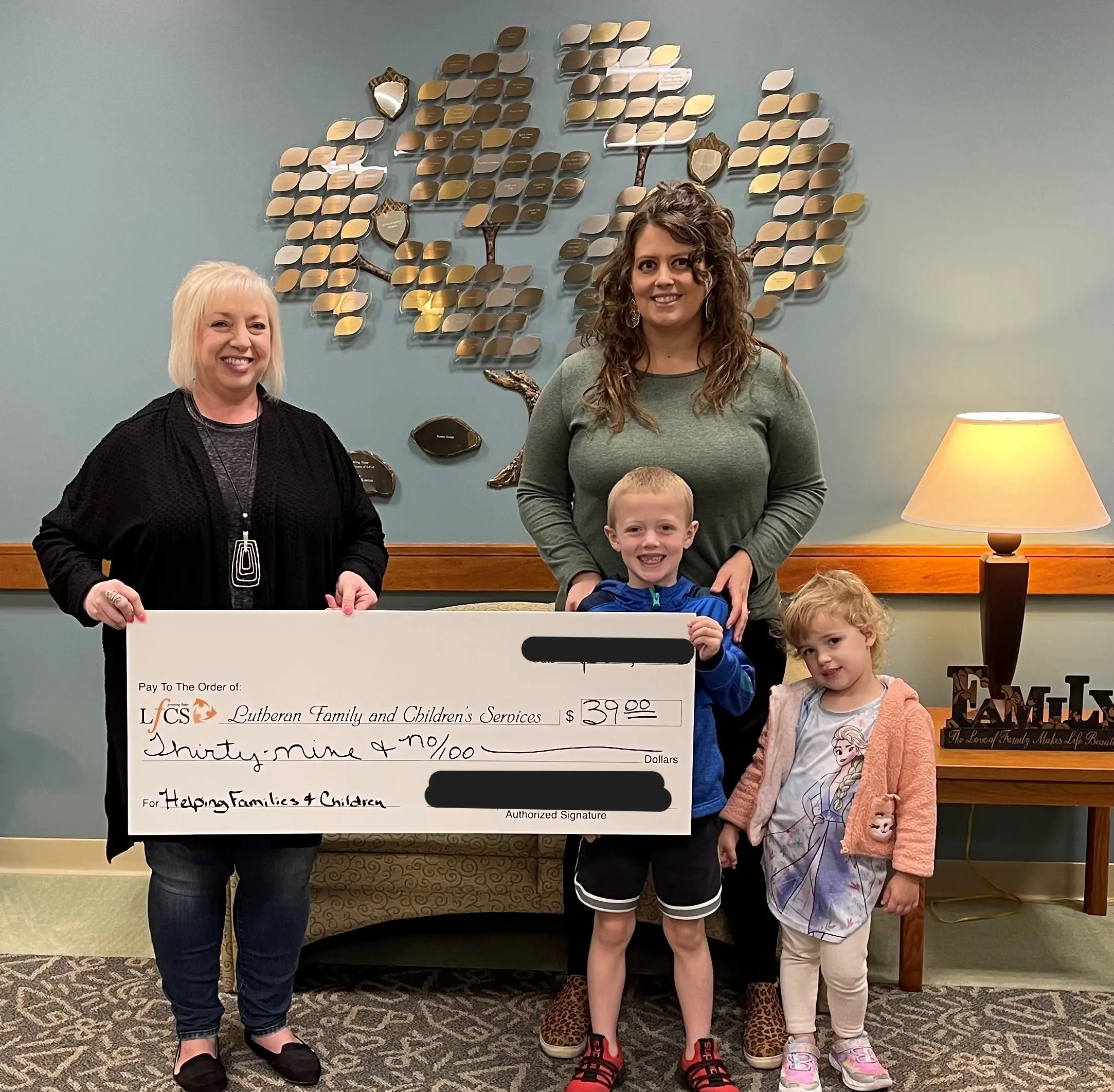
Giving More Than Flowers and Candy This February
Our values help build the foundation for health and happiness, but they cannot be shared without you. Your support allows us to provide ongoing, affordable services regardless of client’s ability to pay. You can spread the love this Valentine’s Day by donating to LFCS.
If you are looking for alternative ways to provide meaningful support to LFCS programs:
- Become a respite foster care family, especially for children in minority communities who need culturally responsive care.
- Share adoption information with women who may be considering adoption and need trustworthy guidance.
- Inform families in Boone County, Jefferson County, and Jackson County that LFCS is providing free counseling services for children ages 3 to 19.
This February, let love be measured not by dinners or roses, but by the relationships that support health and happiness.